
eSIM vs Traditional SIM: A Complete Comparison for Travelers

TL;DR
eSIMs beat traditional SIMs for most international travelers. They cost 70-80% less ($20-30 vs $100 for 10GB), activate instantly via QR code, can't be lost or stolen, and support multiple carrier profiles. Traditional SIMs still work better for older devices (pre-2020) or when you need a local phone number. For short trips, multi-country travel, or business, eSIM is the clear winner.
What Is the Difference Between eSIM and a Traditional SIM Card
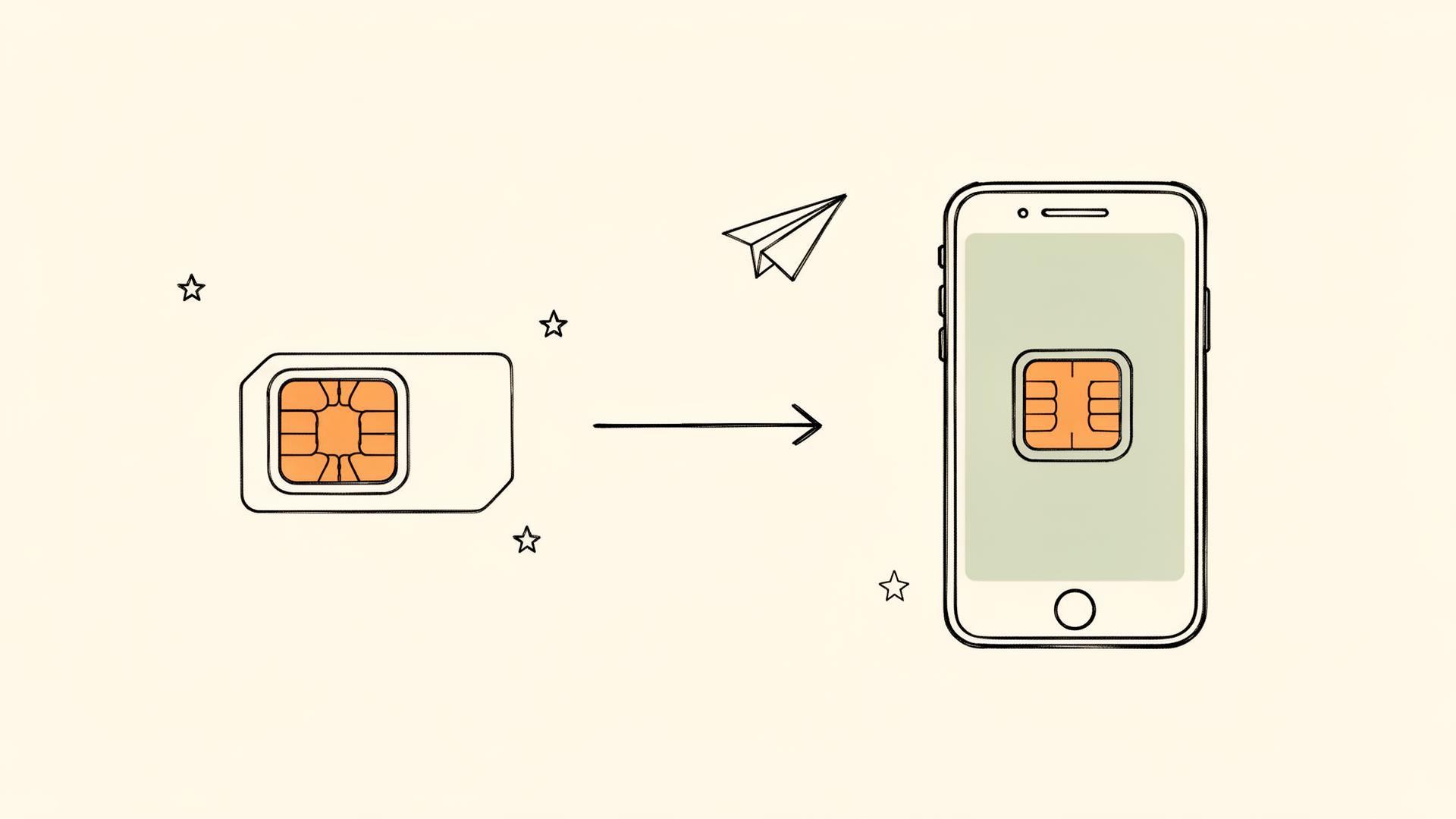
Understanding the difference between eSIM and physical SIM starts with their simple definitions and how they work in your mobile device.
Definition of a Physical SIM Card
A physical SIM card is a small, removable chip that links your mobile device to a cellular network. This tiny card holds your account details and phone number. Your phone needs it to make calls, send messages, or use mobile data.
Physical SIMs have come a long way. They started as credit card-sized chips but got smaller over time. Today's nano-SIM format is the most common. The card has a plastic frame with a small integrated circuit that safely stores your international mobile subscriber identity (IMSI) number and its related key.
Definition of an eSIM (Embedded SIM)
An eSIM is different from traditional cards because it's built right into your device's hardware. It works like a virtual SIM card and connects you to cellular networks without needing a physical card.
The technology uses a small chip in your smartphone or tablet that you can program remotely. eSIMs first appeared in 2016. Now most phones made after 2020 include them. iPhone 14 models and newer in the US don't even have physical SIM slots anymore - they're eSIM-only.
How Both Connect to Mobile Networks
Both technologies connect to mobile networks in similar ways, even though they look different:
- They use the same cellular technology and connect to the same network towers
- Your carrier's coverage determines signal strength, not your SIM type
- Both hold vital identification information that proves your device belongs on the network
Key Differences at a Glance
The biggest difference lies in how they work and their flexibility:
- Form: You can remove physical SIMs, but eSIMs are built into your device
- Activation: Physical SIMs need manual insertion, while eSIMs activate through QR codes or apps
- Switching carriers: You must swap physical SIMs, but eSIMs update remotely
- Multiple profiles: Your eSIM can store up to eight different carrier profiles at once
- Device space: Phones without SIM trays can fit larger batteries or other improvements
- Security: Nobody can steal an eSIM, which makes it more secure
These differences matter a lot to international travelers. But device compatibility is vital - older phones might not work with eSIM technology, so check your device specs before you travel.
eSIM vs Traditional SIM: Side-by-Side Feature Comparison
Let's get into how eSIMs stack up against traditional SIM cards in ways that matter to travelers.
Setup Process: Manual Insertion vs QR Code Activation
The setup process shows one of the clearest differences between eSIM and physical SIM. Traditional SIMs need you to put a tiny card into your device's SIM tray with a small pin tool. eSIM activation happens through a simple QR code scan or app. Your eSIM profile downloads right away and connects you within minutes.
Cost: Roaming Fees vs Prepaid Data Plans
The numbers tell a clear story about saving money with eSIMs for international travel. Using 10GB of data with traditional SIM roaming could set you back INR 8,438 (about $100). An eSIM plan with the same data costs between INR 1,687-2,531 ($20-30). eSIM plans also show you exactly what you'll pay upfront, so you won't get any nasty surprises on your bill.
Convenience: Store Visit vs Instant Download
Traditional SIMs force you to visit a store or wait for mail delivery. You might also face language barriers at foreign carriers. eSIMs let you buy and activate service before your trip starts, so you're connected the moment you land. No more waiting in airport lines or hunting for carrier stores during your vacation.
Switching Carriers: Physical Swap vs Remote Update
Traditional SIMs require you to physically swap cards to change carriers. eSIM users can switch providers with a quick digital download. This comes in handy when you travel through multiple countries with different network coverage.
Device Compatibility: Older Phones vs Modern Devices
Most new smartphones support eSIM technology, including iPhone XS and newer models, Google Pixel 3 and later, and many Samsung devices. Traditional SIM cards work with almost every mobile device out there. You can check if your phone works with eSIM by dialing *#06#—an "EID" means you're good to go.
Dual SIM and Multi-Profile Support
New devices often let you use both eSIM and physical SIM at once. This means you keep your home number while using a local data plan. Even better, one eSIM can hold multiple profiles (up to eight on newer iPhones), so you can switch carriers quickly.
Security and Risk of Loss
Traditional SIMs are easy to lose, damage, or steal—making them targets for theft and SIM swap fraud. eSIMs are built into your device and offer better security. They use advanced encryption and need extra verification during activation. This makes them a safer choice for travelers who want to protect their data.
Pros and Cons for International Travelers
Understanding the advantages and limitations of eSIM vs physical SIM is a vital part of planning international travel.
eSIM Pros: Instant Setup, No Physical Loss, Multi-Country Plans
Travelers love eSIMs because they're convenient. You can download and activate them remotely before your trip, which means no more airport queues. The activation process is simple - just scan a QR code or use an app to get connected within minutes.
Security is a huge plus. Your eSIM can't be stolen, lost, or damaged like physical cards. This embedded technology also has better encryption features that protect your data.
Globe-trotting becomes easier with eSIMs. You can store multiple profiles (up to eight on newer iPhones) and switch between carriers smoothly as you cross borders. Regional plans cost around INR 1265-2531 ($15-30) for 1-10GB, which saves you money compared to traditional roaming.
eSIM Cons: Limited Support on Older Devices
The biggest problem is device compatibility. Most phones made before 2020 don't support eSIMs. Moving eSIM profiles between devices isn't as easy as swapping physical cards.
Traditional SIM Pros: Works on Almost All Phones
Traditional SIMs work with almost every mobile device out there. You can move your service between phones by simply inserting your SIM card into another device without any technical setup.
Local tourist SIMs are great for extended stays because they come with large data allowances at competitive local prices.
Traditional SIM Cons: Store Visits, Delays, and Swapping Hassles
Getting physical SIMs means visiting stores, dealing with language barriers, and possible delays. Multi-country trips become complicated when you have to juggle multiple cards.
There's another catch - taking out your home SIM means you'll lose access to your main number unless your device has dual SIM capability.
Quick Summary: Which Option Wins on Convenience and Cost
eSIMs beat traditional SIMs in both convenience and affordability for most travel scenarios. You don't have to handle physical cards, you get instant activation, and you'll save money on international data.
All the same, traditional SIMs remain your only choice if your device doesn't support eSIMs or you need a local number at your destination.
Which Option Is Better for Different Travel Scenarios
Your travel needs and itinerary type determine the best SIM option for your journey.
Short Vacation Trips
eSIM offers clear advantages for quick getaways of 1-2 weeks. You can activate it with a QR code before leaving and connect right when you land. This saves precious vacation time you'd waste looking for local SIM cards.
Multi-Country Travel or Backpacking
eSIM technology works best for travelers exploring multiple countries. A single regional eSIM plan covers multiple countries, which helps when crossing borders. Travelers using a Europe eSIM can stay connected in 37 countries and save INR 6328 ($75) on roaming charges.
Business Travelers
Business people need quick and reliable connections. They must check emails, join video calls, and navigate cities as soon as they arrive. Most corporate eSIMs connect automatically to the best local 4G/5G networks.
Digital Nomads and Remote Workers
Remote workers use 50-150GB monthly for video meetings and cloud sync. A recent survey shows 87% of digital nomads consider eSIMs "very important" because they activate quickly and cost less.
Family or Group Travel
Families struggle to keep multiple devices connected. Some families take a "hybrid approach" - they keep their home numbers on physical SIMs and use eSIMs for data. This gives them both reliable coverage and flexibility.
How to Set Up an eSIM Before Your Trip
Setting up a travel eSIM takes just a few simple steps that ensure smooth connectivity during your trip.
Step 1: Choose Your Destination and Plan
You need to decide where you're headed and figure out how much data you'll use. Light users who just need maps and messaging might do fine with 3-5GB. Users who post frequently on social media typically need 10-15GB. Heavy streamers should look at 20GB+ plans. Regional plans that cover multiple countries work great if you're visiting several places.
Step 2: Buy Your eSIM Online
Get your eSIM 24-48 hours before you leave. This gives you enough time to set everything up while you're still home. You'll get an email with your QR code and setup instructions right after payment.
Step 3: Scan the QR Code and Install
iPhone users should go to Settings > Cellular > Add eSIM > Use QR Code, then scan. Android users need to open Settings > Connections > SIM Manager > Add eSIM > Scan QR Code. Make sure you have good Wi-Fi during setup.
Step 4: Activate on Arrival
Your timing is vital - wait until you land before activating. Once you arrive, turn off airplane mode, go to cellular settings, and switch on your travel eSIM. This helps you get the most out of your plan's duration.
Step 5: Monitor Usage Easily
You can check your data usage through your phone's settings or provider's app. Most services show live usage data and alert you when you're close to your limit. Turn on push notifications to get updates about your remaining data.
Why Many Travelers Prefer Journey eSIM
Journey eSIM has become a top choice for experienced international travelers who need reliable connectivity. Travelers love its convenience, coverage and user-friendly features that give it clear advantages over physical SIM cards and other eSIM providers.
Instant Purchase and Activation From Anywhere
Setting up Journey eSIM takes just minutes and removes all connection worries. A simple QR code scan lets you install your pre-purchased plan before you even leave home. Your travel connectivity gets sorted before you start packing.
Coverage Across Multiple Countries With One Plan
One Journey eSIM works in more than 190 countries, making it perfect for trips to multiple destinations. Nine regional plans cover you whether you visit one country or travel between continents.
Transparent Pricing With No Roaming Shocks
Unexpected charges are a thing of the past. Journey eSIM shows you upfront pricing without hidden fees, roaming costs, or contracts—you buy data when you need it. No more shocking bills after your trip.
No Airport Queues or Physical SIM Swaps
Your eSIM connects right when you land. You won't need to search for airport kiosks or struggle with language barriers at local stores. Your home number stays active since your original SIM remains in place.
Reliable Support While You Travel
Journey connects you to dependable top-tier 4G/5G networks. You can share data with your devices or travel companions without limits, so everyone stays connected during the entire trip.
Feature Comparison Table
Here's how eSIM and traditional SIM compare across key features:
- Form Factor: eSIM is an embedded chip in device; Traditional SIM is a removable physical card
- Setup Process: eSIM uses digital activation through QR code or app; Traditional SIM requires manual insertion with SIM tray tool
- Activation Time: eSIM takes minutes; Traditional SIM needs store visit or mail delivery
- Cost (10GB Data): eSIM costs $20-30; Traditional SIM roaming costs about $100
- Carrier Switching: eSIM updates remotely; Traditional SIM needs physical card swap
- Multiple Profiles: eSIM supports 8 carrier profiles at once; Traditional SIM is one carrier per card
- Security: eSIM is immune to physical theft/cloning with better encryption; Traditional SIM is vulnerable to loss, damage, or theft
- Device Compatibility: eSIM works with most phones made after 2020; Traditional SIM works with almost all mobile devices
- International Travel: eSIM lets you buy before trip with instant setup; Traditional SIM requires visiting local stores with possible language barriers
- Data Transfer to New Device: eSIM needs detailed transfer steps; Traditional SIM allows quick physical swap
Final Verdict: eSIM or Traditional SIM — What Should You Pick
Your specific travel needs and device compatibility will determine whether you should pick an eSIM or physical SIM card. eSIMs are the better choice for most international travelers. They offer quick activation, better security, and help you save money. You should go for an eSIM if your device supports it.
The cost difference is huge. Regular roaming can set you back $100 for 10GB of data. eSIM plans cost just $20-30 for the same data. On top of that, it saves you from waiting in airport queues, visiting stores, or dealing with language barriers that come with buying physical SIMs.
Security makes eSIMs even more attractive. You can't lose or damage them like physical cards since they're built into your device. This protection and better encryption make eSIMs much safer for your international trips.
All the same, physical SIMs work great for people with older devices made before 2020. These cards work with almost any phone, so everyone can stay connected whatever their device limits might be.
Let your travel style guide you. eSIMs work best for short vacations and business trips because they're quick to activate and reliable. You can use regional eSIM plans to cover multiple countries with one profile. Digital nomads love the big data allowances and simple pricing.
Journey eSIM gives travelers a great option with coverage in more than 190 countries and clear pricing. You can buy and activate it before you leave, so you won't stress about getting connected when you land.
Your vacation time matters. Why waste it looking for local SIM vendors when you could be out there seeing new places? eSIM technology turns connectivity from a travel headache into something you can check off your list before packing.
Pick what works for you, but plan your connectivity before you travel. Both options are better than paying too much for roaming or hunting for Wi-Fi. The right choice will keep you connected and ready to share your adventures with everyone back home.
Frequently Asked Questions
Your phone settings should show an 'Add eSIM' option or an EID number under Settings > General > About. Most new smartphones support eSIMs, but devices made before 2020 usually don't. You can also check by dialing *#06# - if you see an EID, your phone supports eSIM.
Yes! Most phones come with dual SIM support that lets you use both types together. This feature helps you keep your home number active and use a local data plan during travel.
Yes, without question. The security comes from eSIMs being built right into your device, which makes them tough to steal or hack. They come with strong encryption and built-in protection features that can wipe data if needed.
The savings are significant. Using 10GB of data with traditional SIM roaming costs about $100. An eSIM plan with the same data costs between $20-30, saving you 70-80% on connectivity costs.
Yes, most do, but not all. Make sure to check with your service provider about hotspot features before you buy a plan.
This isn't automatic. Most eSIM plans focus on data only. You should check specifically if you need a local number for calls and messages.
No. These 'unlimited' plans usually cap high-speed data at 3-5GB per day. After that, your speed drops. The details matter, so read the terms carefully before buying.
eSIM technology works best for travelers exploring multiple countries. A single regional eSIM plan covers multiple countries, helping when crossing borders. Travelers using a Europe eSIM can stay connected in 37 countries and save around $75 on roaming charges.
Continue Reading

Stay Updated with Travel Tech Insights
Get the latest guides, industry trends, and tips to grow your travel business delivered to your inbox.